Structural Characteristics of Self-Cleaning Rubber Conveyor Belts
Self-cleaning rubber conveyor belts are specifically designed to minimize material adhesion and achieve automatic cleaning. Their structural characteristics primarily revolve around surface material optimization and composite layer design to enhance self-cleaning performance. According to public data, the core structural features are as follows:
Surface Coated with High-Density Polyethylene (HDPE) Film: This film layer offers excellent chemical stability, is non-toxic, and provides resistance to heat, acids, and alkalis. It bonds tightly with the rubber matrix during high-temperature vulcanization. The smooth HDPE surface resists sticking to viscous materials (such as clay), thereby achieving a self-cleaning effect.
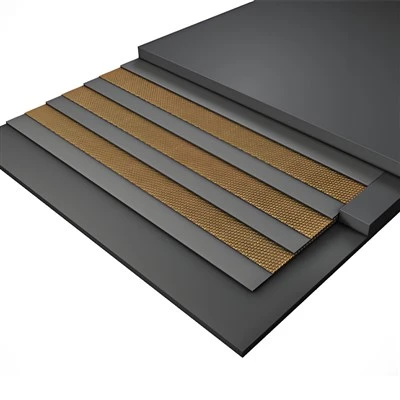
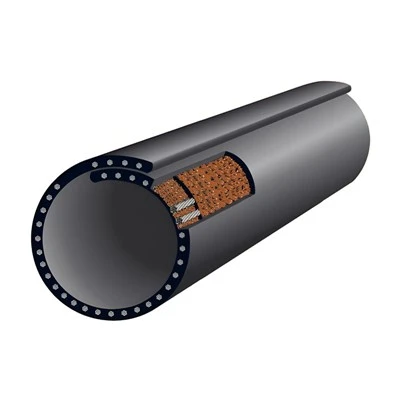
Special Woven Carcass Structure: The belt carcass incorporates transverse and longitudinal stainless steel wires along with woven threads. These woven threads pass through every intersection of the transverse and longitudinal wires, enhancing structural stability while providing a solid anchoring base for the surface HDPE film.
Integrated High-Temperature Vulcanization of Cover Rubber and HDPE Film: This process ensures there is no risk of delamination between the two layers, guaranteeing the long-term reliability of the self-cleaning function.
Overall Structure Combines High Wear & Tear Resistance: It inherits the advantages of traditional rubber conveyor belts, making it suitable for heavy-duty and harsh environments such as metallurgy, mining, and ports.
These conveyor belts are particularly suitable for transporting materials with high moisture content or viscosity (such as wet clay and pulverized coal). They effectively prevent material freezing and adhesion, reduce the need for manual or mechanical cleaning, improve operational efficiency, and extend the service life of components like idlers.