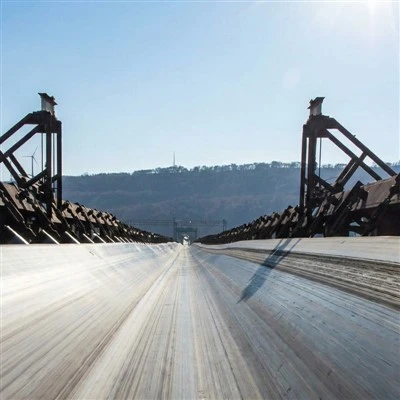
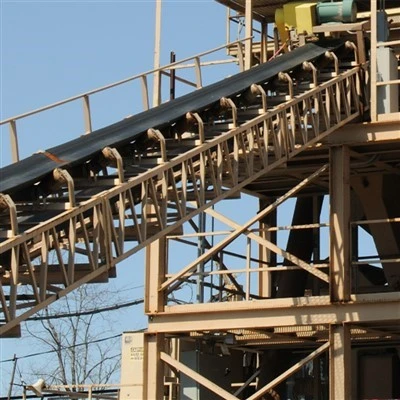
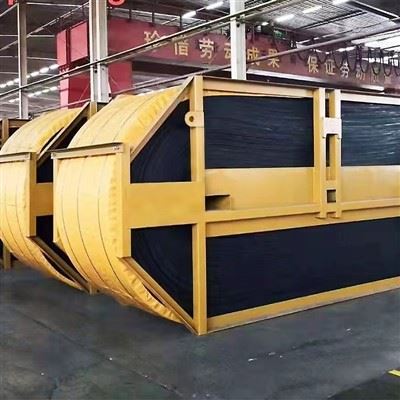
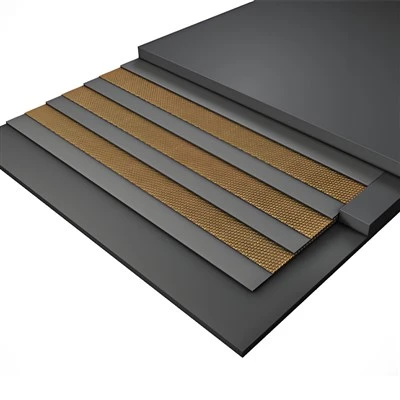
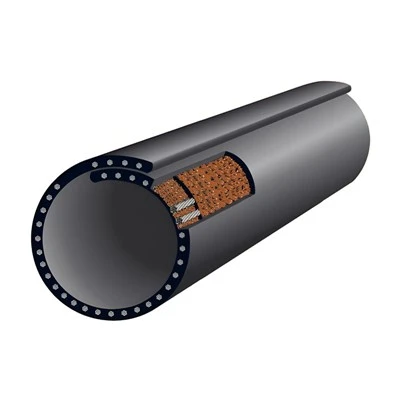
The term "self-cleaning rubber conveyor belt" typically refers to a conveyor system integrated with automatic cleaning devices, rather than the belt material itself possessing "self-cleaning" properties.
Self-Cleaning Mechanisms (Automatic Equipment)
These systems utilize specific devices to remove residual material automatically.
Conveyor Belt Cleaners
Installed near the head or tail pulleys or on the return run of the belt, these devices use blades, brushes, or airflow to clean the belt.
- Scraper Cleaners: Utilize blades made of polyurethane or tungsten carbide.
- Rotary Brush Cleaners: Can be powered (motorized) or non-powered (passive).
- Air Sweep Cleaners: Use compressed air to blow off debris.
Note: These cleaners operate continuously, automatically removing surface attachments while the belt is in operation.
Integrated Self-Cleaning Structures
Certain patented designs (e.g., CN219905863U) feature integrated water spray systems and rotating brushes on the conveyor bed. These are motor-driven to achieve automated washing.
Manual Cleaning Methods (For Maintenance & Deep Cleaning)
When automatic systems are insufficient or during scheduled maintenance, follow these manual cleaning steps:
① Shutdown and Safety Precautions
Power Down: Turn off the equipment power and steam valves (if applicable).
Protect Electronics: Cover motors, control boxes, and other water-sensitive components with plastic sheeting to prevent short circuits.
② Belt Preparation
Adjust Tension: Set the tensioning device to the appropriate level to ensure the belt surface is flat and even.
Pre-soak: Wet the belt surface to soften stubborn dirt and debris.
③ Prepare Cleaning Solution
Dilution: Use a specialized industrial cleaner (e.g., CY131). Dilute with water at a 1:10 ratio (adjust based on the severity of the soiling).
Properties: Cleaners like CY131 are recommended for their high efficiency, gentle action on rubber surfaces, and eco-friendly, non-irritating formula.
④ Spraying and Washing
Application: Use a low-pressure spray gun to apply the cleaning solution evenly. Avoid high-pressure jets that could damage the belt surface.
Edge Care: Pay special attention to the belt edges to avoid excessive localized scouring.
Technique: When rinsing, sweep the nozzle across the belt in a single pass; do not repeatedly spray the same spot.
⑤ Rinsing and Drying
Final Rinse: Thoroughly rinse off all cleaning solution and dirt residues with plenty of clean water.
Drying: Allow the belt to air dry naturally or use fans to blow dry, preventing mold growth.