Core Selection Principles
Match Operational Conditions: Determine the basic parameters based on the nature of the conveyed material (such as weight, particle size, and moisture content), conveying distance, inclination angle, and ambient temperature.
Prioritize the Balance between Energy Efficiency and Lifespan: Low rolling resistance is not only about energy consumption; it should also take into account wear resistance, tear resistance, and overall service life.
Focus on Material Formulas and Structural Innovation: Modern LRR conveyor belts rely on high-performance rubber matrices and functional fillers.
Key Selection Factors
① Rubber Matrix Selection
Solution Styrene Butadiene Rubber (SSBR): Offers low rolling resistance and high wear resistance, making it suitable for green and low-carbon scenarios.
Natural Rubber (NR) / Styrene Butadiene Rubber (SBR) Blends: The addition of nano-fillers (such as CNOs and PTFE) can significantly reduce rolling resistance while enhancing wear resistance.
Rare Earth Cis-Butadiene Rubber: Its application in new energy and high-end conveyor belts is growing, though domestic self-sufficiency rates remain insufficient.
② Functional Fillers and Additives
Carbon Nano-Onions (CNOs): When used at 2 phr (parts per hundred rubber), they provide the best balance of comprehensive mechanical properties and low rolling resistance.
Polytetrafluoroethylene (PTFE): Acts as a lubricant that can drastically reduce wear and rolling resistance. It is most effective at 4 phr, especially when not combined with CNOs.
Silica and High-Performance Carbon Black: Used to replace traditional carbon black, reducing rolling resistance while maintaining wear resistance.
③ Structural Design
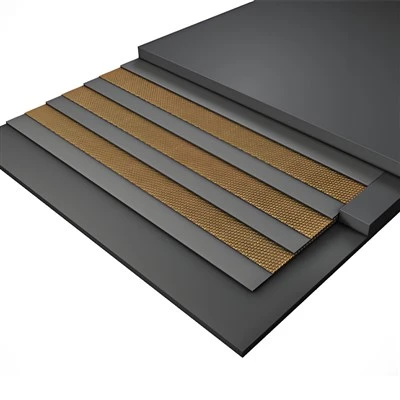
Lightweight Core Layer: Utilizing high-strength polyester or aramid fibers can reduce weight by 30%–50%, thereby lowering energy consumption.
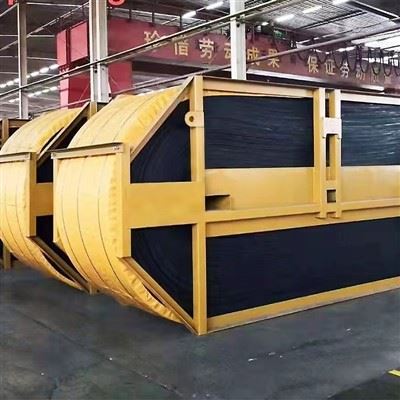
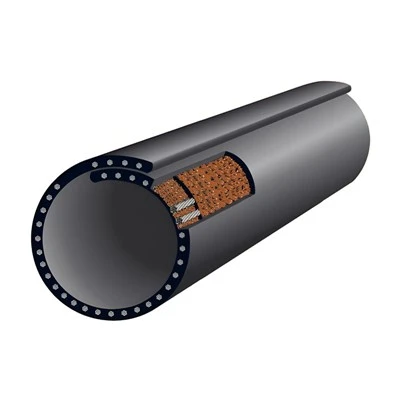
Air Cushion / Tubular Structures: Ideal for long-distance bulk material conveying, further reducing operational resistance.
Surface Treatment: Laser-etched anti-slip patterns improve operational smoothness and safety.
④ Performance Verification Indicators
Rolling Resistance Coefficient: Should reference enterprise or industry standards (e.g., Shuangjian Group has demonstrated 10%–40% energy savings in practical tests).
Wear Resistance: Evaluated through DIN abrasion, Akron abrasion, and other standardized tests.
Cold/Heat Resistance: Select the appropriate cold resistance grade based on the environment, such as C1 (-45℃) or C2 (-60℃).