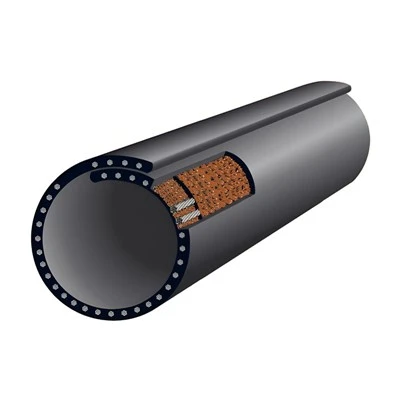
In the fields of mining, chemical processing, and heavy material handling, solid woven conveyor belts have become the preferred choice for many buyers due to their exceptional impact resistance and anti-tear properties. However, facing a market with varying product quality, how can you select a high-quality belt that not only meets operational demands but also maximizes long-term cost efficiency? Here are three core dimensions that are essential in the procurement decision-making process.
Precisely Match Operational Requirements: Material and Structure are Fundamental
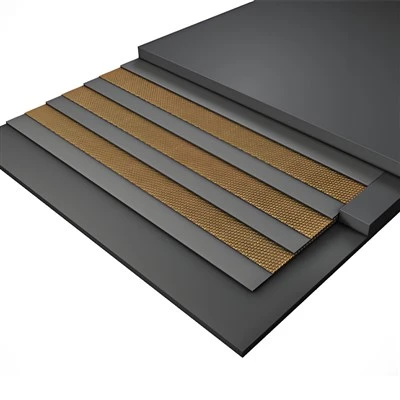
The first step in selecting a conveyor belt is ensuring its physical properties align perfectly with your actual working conditions. Procurement professionals need to focus heavily on the belt's "carcass" and "covers." High-quality solid woven belts typically utilize high-strength polyester or nylon fibers for the woven layer. This structure provides excellent tensile strength and superior ply adhesion, effectively preventing the belt from delaminating under heavy loads. Furthermore, based on the characteristics of the conveyed material-such as the abrasiveness of coal, the sharpness of ore, or the corrosiveness of chemicals-choosing a rubber cover with the appropriate wear, oil, or flame resistance rating is fundamental to guaranteeing the belt's service life.
Strictly Control Process Details: Splices and Edges Determine Stability
The weaknesses of a conveyor belt are often revealed in the details. When inspecting goods or evaluating samples, it is advisable to closely examine whether the belt edges are straight and dense. Rough edges are highly prone to cracking during operation, allowing moisture to seep in and corrode the internal woven layers. Additionally, the quality of the splicing process directly dictates operational stability. Premium solid woven conveyor belts should feature seamless weaving or advanced vulcanized splicing techniques to ensure uniform thickness across the entire belt. This not only effectively prevents the belt from tracking off-center during high-speed operation but also significantly reduces abnormal wear on idlers and cleaning devices.
Calculate the "Total Lifecycle" Economics: Quality Over Low Price
Savvy buyers should not focus solely on the price per meter, but rather calculate the "total lifecycle cost." A cheap belt that frequently breaks or wears out rapidly often incurs costs from unexpected downtime, expensive replacement labor, and cleanup from material spillage that far exceed the initial budget saved by purchasing an inferior product. Therefore, prioritizing reputable brand suppliers that offer comprehensive after-sales technical support and extending the replacement cycle to dilute annual operating costs is the most cost-effective procurement strategy.
Selecting the right solid woven conveyor belt is essentially purchasing "insurance" for the continuous and stable operation of your production line. Only by returning to the essence of operational conditions, strictly enforcing process details, and maintaining a long-term cost perspective can you make the most intelligent procurement decision.