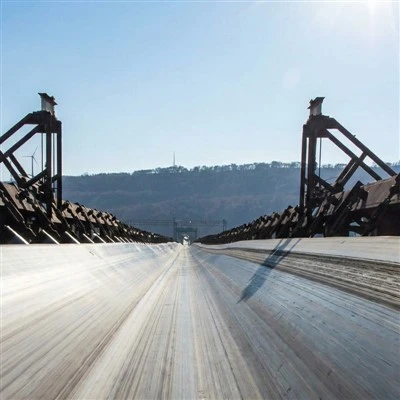
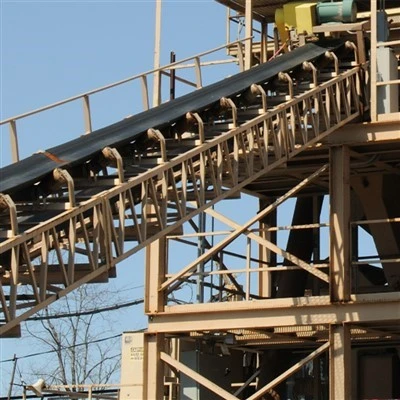
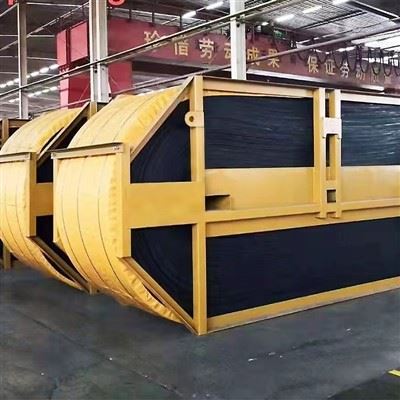
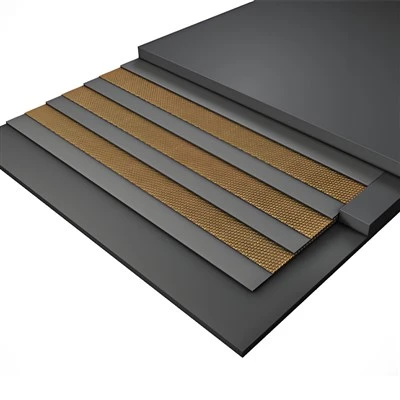
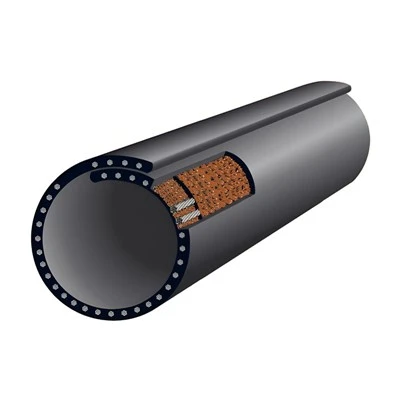
Solid woven conveyor belts are characterized by their compact structure and high strength, making them commonly used for medium to heavy-duty material handling.
Installation and Preparation Phase
① Inspect Integrity
Before installation, carefully check the belt surface for any damage or cracks, ensure the edges are straight and even, and verify that connection points (such as joints/splices) are secure.
② Avoid Mixing Specifications
It is strictly prohibited to connect conveyor belts of different types, specifications, or ply counts. Doing so can cause uneven stress distribution, leading to premature failure.
③ Proper Lifting and Handling
When lifting, always use a steel bar or sufficiently strong fabric ropes threaded through the core holes. Never use slings to directly wrap around the outer circumference of the belt, as this can cause slippage or damage to the belt edges.
④ Centered Installation
Ensure the conveyor belt is perfectly aligned with the drive pulleys and bend (tail) pulleys on the same centerline to prevent the belt from deviating (running off-track) during operation.