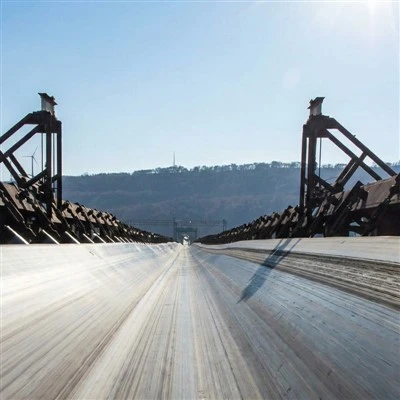
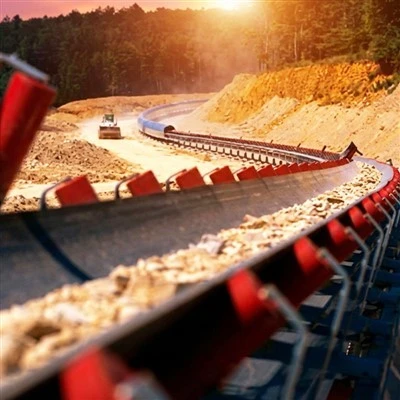
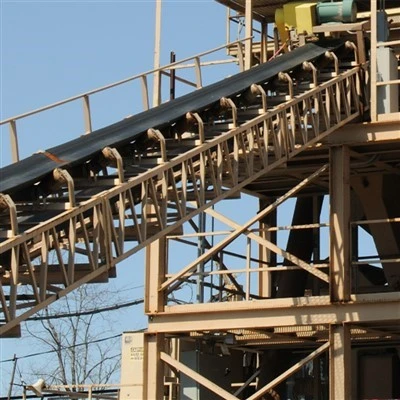
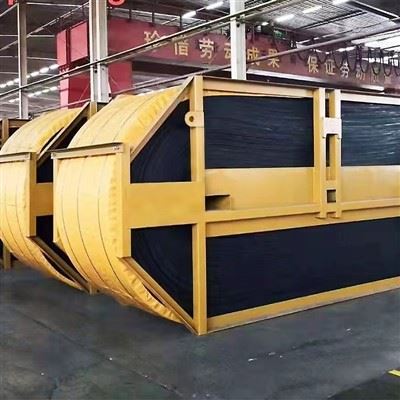
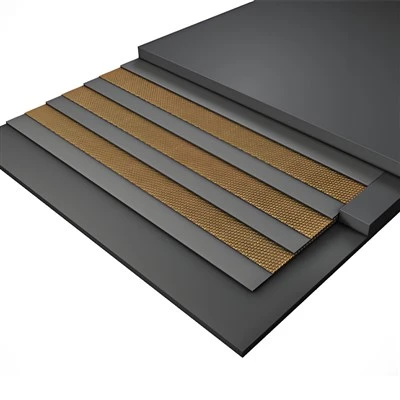
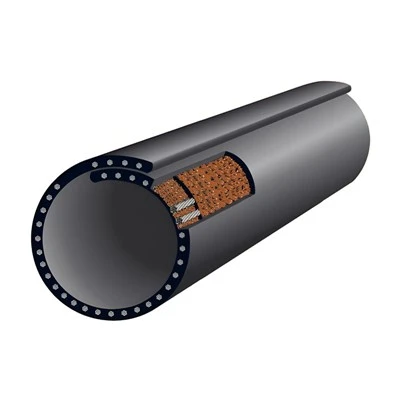
LRR rubber conveyor belts achieve energy conservation and extended service life by minimizing energy loss during operation.
Selection and Compatibility
Selection requires a comprehensive evaluation of the application scenario, material characteristics, and system parameters.
Define Performance Grades: The market offers a segmented matrix of products, including Standard (LRR), Flame Retardant (FLRR), Super Low Rolling Resistance (SLRR), and High Strength & LRR (DIN-XLRR) types.
Selection should be based on the specific energy-saving requirements, safety standards (such as flame retardancy), and strength needs of the operating conditions.
Match the Conveyor System: Pay close attention to key technical indicators. For instance, relevant standards clearly define parameters such as the operating temperature range (e.g., -20℃ to 45℃) and the Rolling Resistance Factor (e.g., RRF ≤ 0.1). During selection, ensure that the product's specifications align with the system design (including belt width, speed, and tension) as well as the environmental conditions.
Leverage New Material Advantages: Opt for high-performance products that utilize advanced carcass materials or rubber compounds. For example, belts using lightweight carcass materials like aramid fiber can reduce self-weight by approximately 30%, thereby cutting energy consumption. Additionally, rubber compounds modified with specific nano-fillers (such as Carbon Nano-Onions) or lubricating materials (like PTFE) can further reduce rolling resistance while simultaneously enhancing wear resistance.