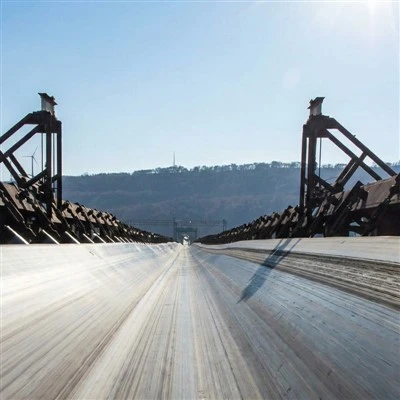
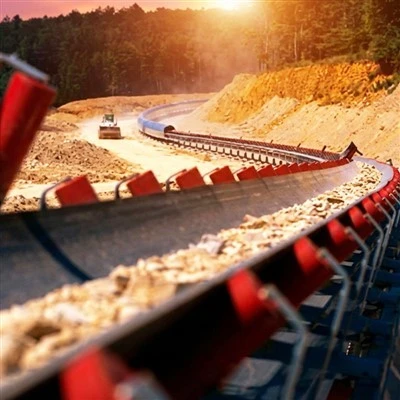
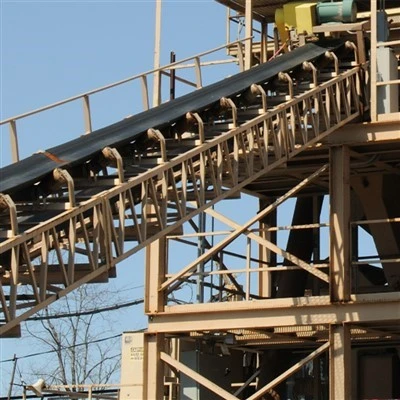
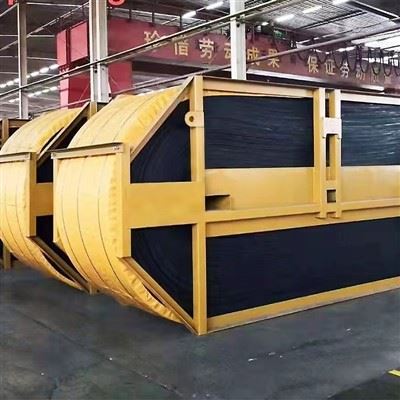
As the core component of belt conveyors, rubber conveyor belts are designed for the continuous and efficient transport of solid materials, and are widely used across heavy industries and infrastructure projects.
Material Carrying & Transportation: Suitable for the continuous conveying of lump, granular, powdery, pasty, or packaged items, such as coal, ore, sand, cement, and grain.
Adaptability to Harsh Environments: By using different cover compound formulas, the belts can be tailored with special properties like heat resistance, cold resistance, abrasion resistance, oil resistance, acid/alkali resistance, and flame retardancy, meeting the rigorous demands of mining, metallurgy, and chemical industries.
Large-Scale Continuous Operation: Supports high-efficiency, long-distance, and high-capacity material transport systems in scenarios like ports, power plants, and coal mines.
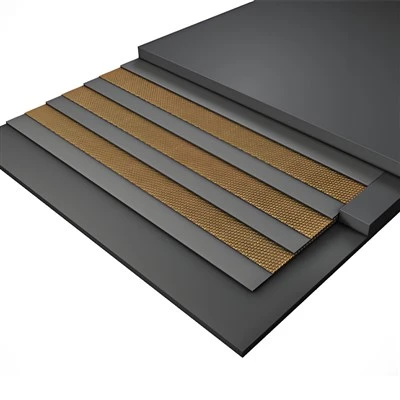
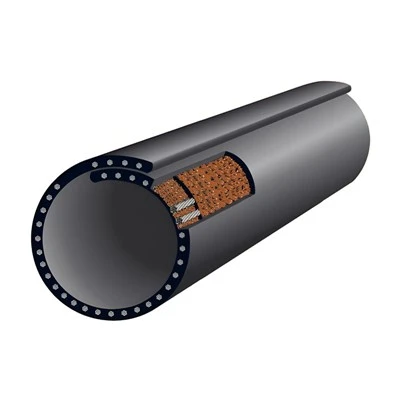
Reliable Structure & Long Service Life: Featuring a carcass of steel cord or nylon/polyester fabric with rubber covers, they offer high tensile strength, excellent impact resistance, and superior troughability.
Key Application Industries
- Coal: Above-ground and underground transportation, where flame-resistant (fire-resistant) conveyor belts are particularly required.
- Mining & Metallurgy: Transporting ores, coke, coal slag, etc.
- Ports & Logistics: Used for cargo loading, unloading, and transfer.
- Others: Power generation, building materials, chemical industry, grain processing, etc.