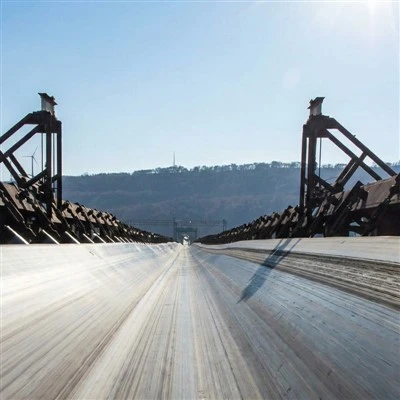
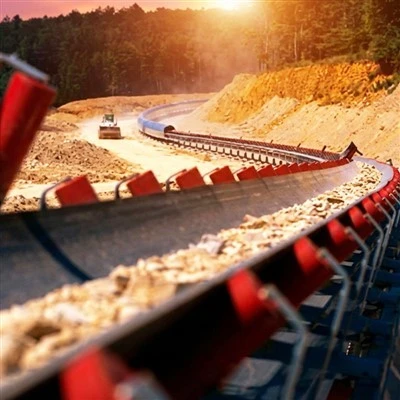
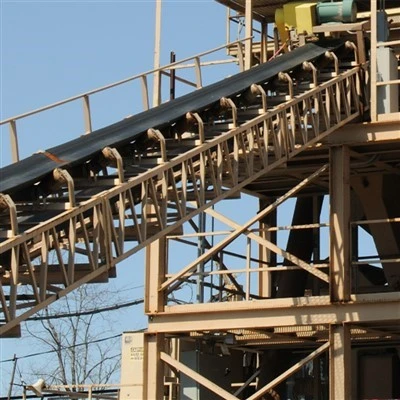
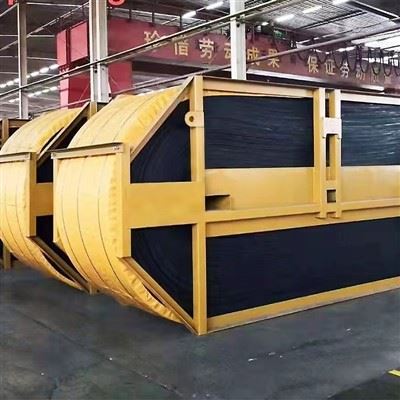
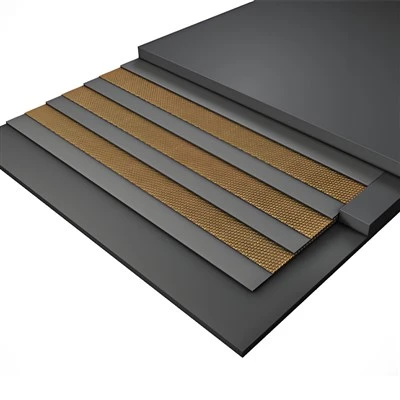
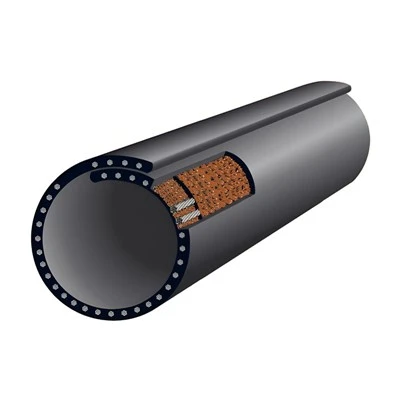
The primary function of LRR rubber conveyor belts is to reduce rolling resistance during material handling, thereby significantly cutting energy consumption, boosting operational efficiency, and extending service life.
Energy Saving & Consumption Reduction: Through specialized compound formulas and structural designs, these belts minimize the rolling resistance between the belt and the idlers. This achieves energy savings of 10%–30%, making them especially suitable for long-distance, continuous conveying systems.
Improved Operational Efficiency: Lower rolling resistance reduces the load on the drive system, which helps enhance conveying speed stability and overall system efficiency.
Extended Service Life: Many LRR products incorporate highly wear-resistant materials (such as UHMWPE and nano-fillers). This not only reduces resistance but also enhances wear and tear resistance, prolonging the belt's operational cycle.
Reduced Carbon Emissions: Acting as a "Green Artery," these belts help companies optimize their carbon footprint under the backdrop of carbon peaking and carbon neutrality goals, aligning perfectly with national green manufacturing directives.
Enhanced Stability & Safety: Optimized carcass materials and advanced vulcanization processes ensure smoother operation at high speeds, significantly reducing the risk of operational failures.