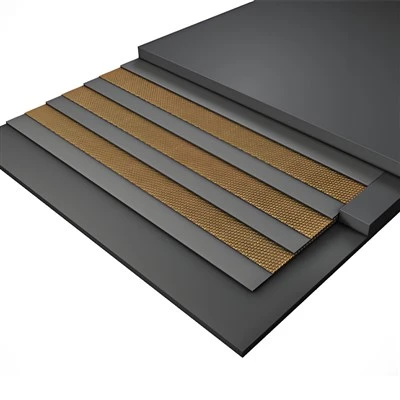
Low Rolling Resistance: By optimizing the rubber compound formula and structural design, energy loss during operation is significantly reduced, achieving notable energy savings. Public data indicates that such belts can lower system energy consumption by 10%–30%.
High Wear Resistance: The use of highly wear-resistant rubber or the addition of nano-fillers (such as Carbon Nano-Onions and PTFE) extends service life and reduces the frequency of replacements.
Lightweight Structure: Some products utilize lightweight, high-strength materials like aramid fibers to replace traditional steel cord cores. This reduces the overall weight by approximately 30%, further cutting down on drive energy consumption.
Excellent Tear & Impact Resistance: The carcass materials (such as polyester and aramid) undergo special treatments to ensure the belt maintains its structural integrity even under heavy loads.
Superior Troughability & Flexibility: The belts easily adapt to idler sets to form stable conveying troughs, making them highly suitable for long-distance, high-volume transport scenarios.
Environmental & Safety Compliance: Certain products meet flame retardant and anti-static standards (such as coal mine safety certification), making them applicable for special working conditions like coal mines.
Typical Application Scenarios
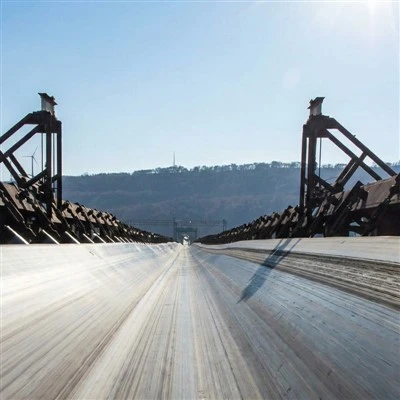
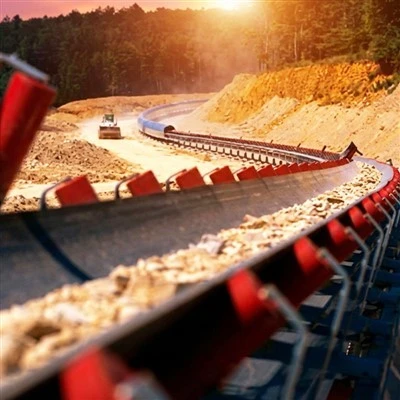
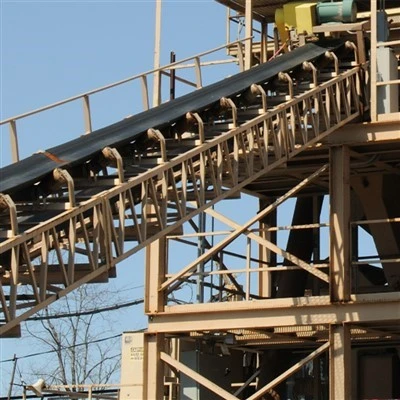
Long-distance bulk material conveying in industries such as coal mining, general mining, ports, power generation, metallurgy, and building materials.
Industrial energy-saving retrofit projects driven by green manufacturing and carbon neutrality goals.
Technology Development Trends
Material Level: Extensive use of high-end materials like Solution Styrene Butadiene Rubber (SSBR), Rare Earth Cis-Butadiene Rubber, Silica, and nano-fillers to achieve a balance of low rolling resistance, high wear resistance, and anti-skid properties.
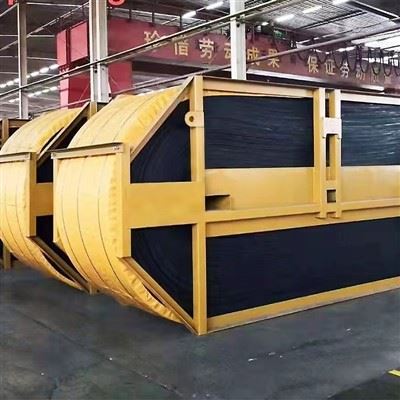
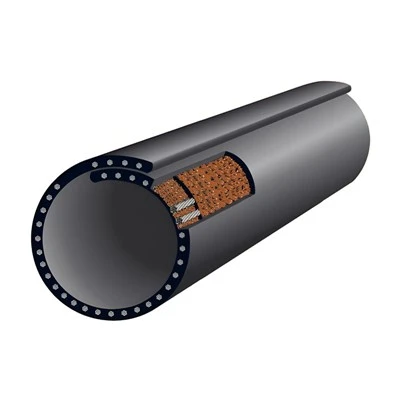
Structural Level: Integrating innovative forms such as air cushion (air floatation) and tubular designs to further minimize operational resistance.