The primary function of a conveyor belt monitoring system is to ensure the safe, stable, and efficient operation of the conveyor belt. By integrating technologies such as sensors, video surveillance, automatic control, and intelligent analysis, it achieves comprehensive perception and intelligent management of the belt's operational status. Its core functions can be summarized as follows:
Safety Protection
- Real-time Fault Detection: Monitors abnormal conditions such as misalignment (deviation), tearing, pile-up, slippage, smoke, temperature, and tension. Once detected, it immediately triggers an alarm or automatically shuts down the system to prevent accidents from escalating.
- Emergency Stop & Interlocking: Equipped with emergency pull-cord switches and loudspeaker telephones along the line, supporting local or remote emergency shutdowns with interlocking capabilities.
- AI Behavior Recognition: Uses video AI to identify personnel intruding into hazardous areas or illegally crossing the belt, providing proactive warnings.
- Fire Prevention Monitoring: Combines infrared thermal imagers or fiber optic temperature sensing to monitor the temperature of the belt and its surroundings in real-time. This helps detect risks of spontaneous combustion or overheating early and can trigger linked sprinkler systems.
Operational Efficiency Improvement
- Intelligent Speed Regulation: Automatically adjusts the belt speed based on coal volume or material flow, avoiding the inefficiency of "running a large motor for a small load" and reducing energy consumption.
- Material Volume Statistics & Load Optimization: Accurately calculates transport volume using AI video or sensors to optimize production ratios and improve resource utilization.
- Centralized Control & Interlocked Start/Stop: Supports various control methods including remote, centralized, local, and maintenance modes. It enables starting against the material flow and stopping with the material flow, reducing operational errors.
Equipment Health Management
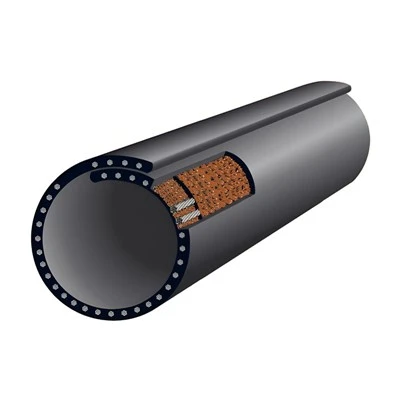
- Key Component Monitoring: Monitors parameters such as vibration, temperature, and current for motors, pulleys, idlers, and steel cords to predict potential failures.
- Steel Cord Core Damage Detection: Utilizes weak magnetic technology to online identify hidden defects like broken wires, corrosion, and splice slippage, with an accuracy rate exceeding 95%.
- Data Storage & Analysis: Records historical data on operations, actions, and faults (for at least 1 year), supporting report generation and preventive maintenance decision-making.