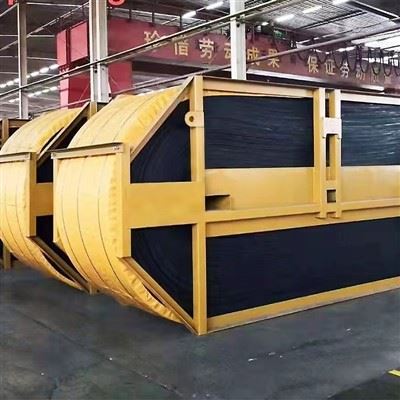
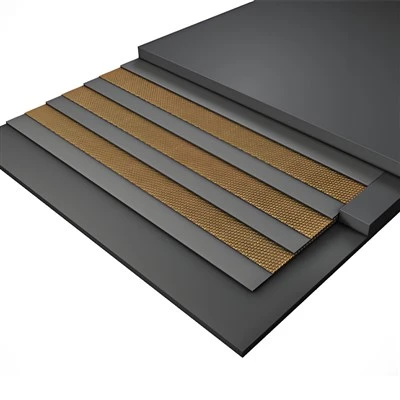
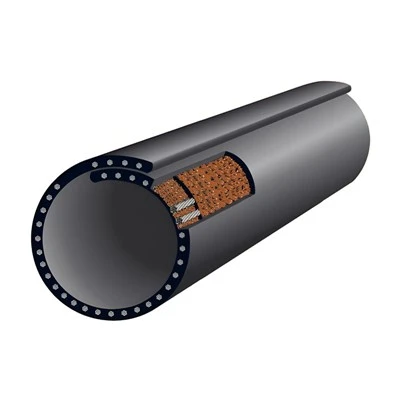
A solid woven conveyor belt is an industrial conveyor belt featuring a high-strength solid woven fabric carcass and an outer cover of rubber or polymer. It is engineered for harsh operating conditions, particularly in scenarios demanding high levels of safety, wear resistance, moisture resistance, and flame resistance.
Core Functions
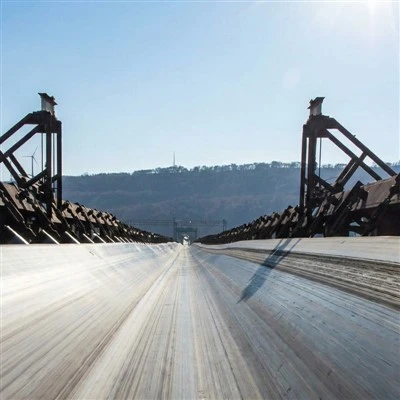
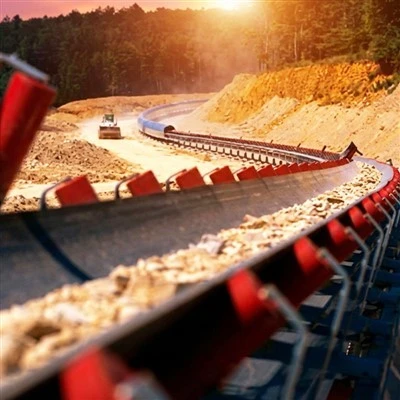
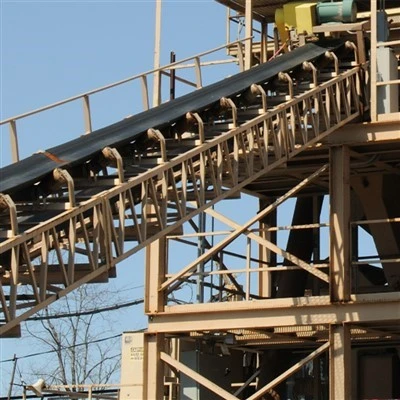
Material Handling & Continuous Conveying: As the core component of a belt conveyor, it is used to continuously transport bulk materials (such as coal, ore, sand, and gravel) or unit loads in horizontal or inclined positions.
High Tensile Strength & Impact Resistance: The solid woven carcass (typically composed of industrial yarns like polyester and nylon) provides excellent mechanical strength, making it suitable for heavy-duty and high-speed operations.
Flame Resistance & Anti-Static Properties: It complies with safety standards for hazardous locations like mines (e.g., MSHA, ISO flame resistance tests), effectively reducing the risks of fire and static electricity.
Resistance to Moisture & Sticky Materials: Particularly suitable for damp environments and sticky material handling in underground coal mines and ports, ensuring stable operation and good cleanability.
Long Service Life & High Wear Resistance: The rubber composite cover (such as NBR/SBR/NR blends) enhances wear resistance and tear resistance, significantly extending the belt's service life.
Adaptability to Steep Inclines & High Tonnage: PVG/PVC + rubber types (FRSR) enable material conveying at steeper gradients and with greater transport volumes.