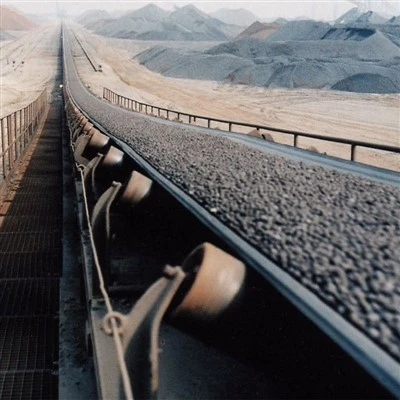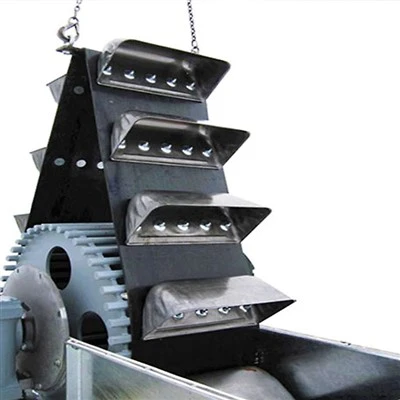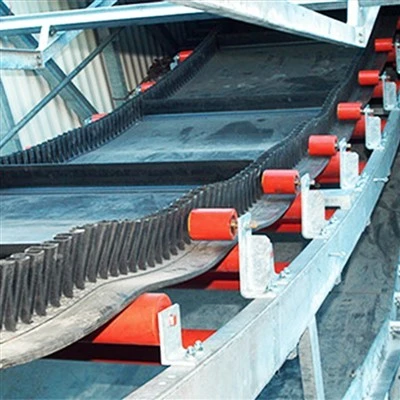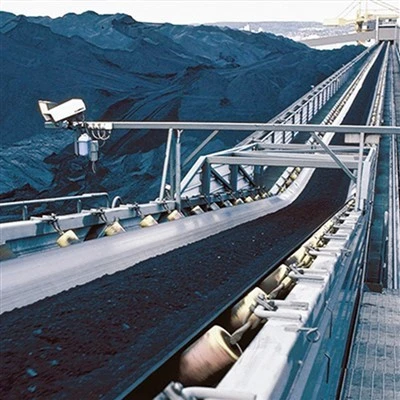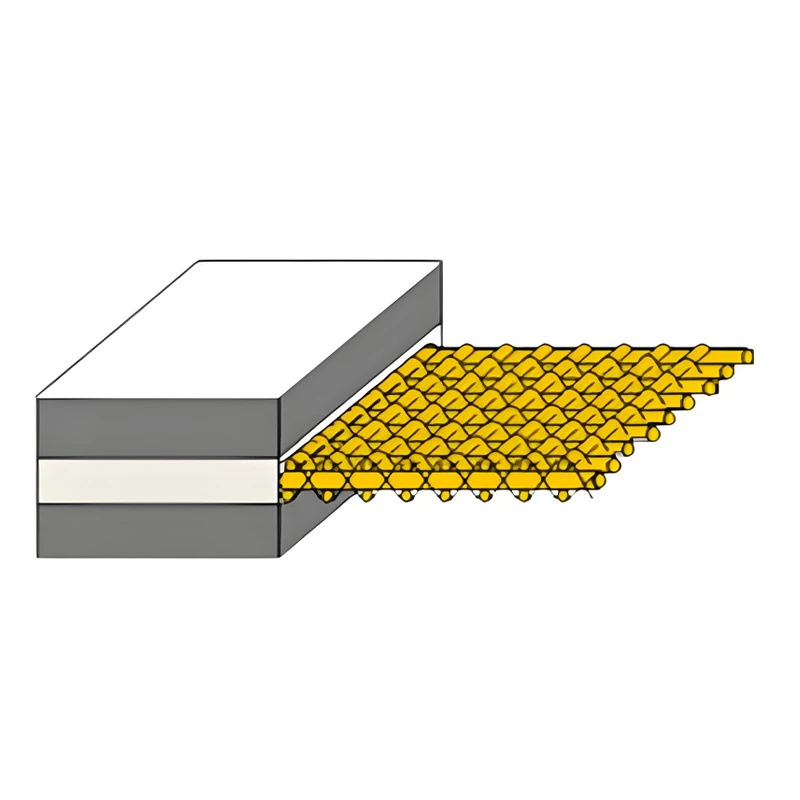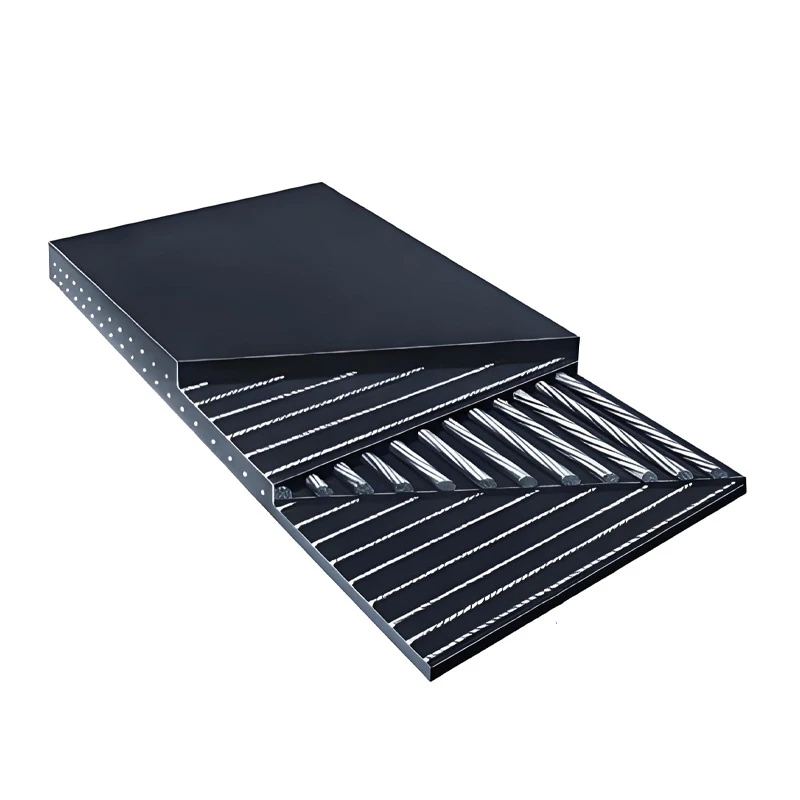
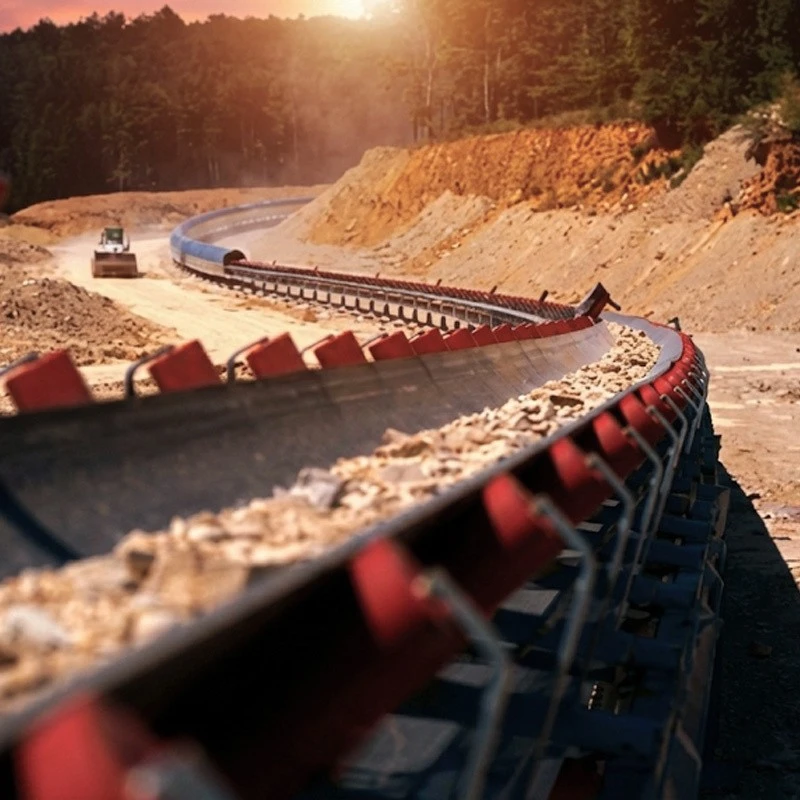
Low-rolling-resistance conveyor belts are a highly efficient, energy-saving solution that combines advanced rubber compound formulations with optimized structural designs to significantly reduce contact indentation and rolling resistance between the belt and the idler rollers during operation. When the conveyor belt bends under load and passes through the idler group, internal friction between molecules within the belt causes energy loss, which directly affects the power requirements of the motor drive. Our specialized lower cover compound formulation optimizes the viscoelastic properties of the belt body, minimizing this energy loss and achieving a breakthrough reduction in system energy consumption.
In long-distance horizontal conveying systems, power Saving due to rolling resistance can account for over 61% of total system power - meaning that in long-distance, high-load conditions, a significant amount of electrical energy in traditional conveyor belts is actually dissipated internally through the belt's own bending deformation, rather than being applied to material conveyance. This is because when the conveyor belt passes over the idler rollers, the lower cover rubber undergoes a compression-rebound cycle under pressure; the viscoelastic internal energy loss generated during this process is the fundamental source of rolling resistance.


- Eco Plus Series (15%+ energy savings)
- Eco Extreme Series (up to 30% energy savings)
- Easy rider™ (LRR/SLRR Series, a Time-Tested Classic)
Prior to the Eco series, ContiTech's Easyrider™ series was also a well-known representative of low rolling resistance technology. The LRR (Low Rolling Resistance) grade reduces energy consumption by 20%, while the SLRR (Super Low Rolling Resistance) grade achieves energy savings of up to 32%. This series has proven its energy-saving performance in hundreds of mining and port projects worldwide.
|
Technical Items |
Eco Plus Series |
Eco Extreme Series |
Easy rider™ LRR/SLRR Series |
|
Energy saving |
System energy consumption reduced by more than 15% |
System energy consumption reduced by more than 30% |
System energy consumption reduced by more than 35% |
|
Carcass type |
Steel cord/EP |
Steel cord |
Steel cord |
|
Supported width |
500–2500 mm |
500–3200 mm |
500–3200 mm |
|
Tensile strength range |
ST800–7000 N/mm |
ST800–10000 N/mm |
ST800–10000 N/mm |
|
Rubber cover grade |
Low-rolling-resistance LLR wear-resistant, heat-resistant flame-retardant |
Super low rolling resistance SLLR wear-resistant, heat-resistant flame-retardant |
Super low rolling resistance SLLR wear-resistant, heat-resistant flame-retardant |
|
The actual energy-saving results depend significantly on system design parameters, including the total length of the conveyor (longer conveying distances → higher proportion of rolling resistance → greater energy-saving benefits), the operating load factor (energy-saving benefits are maximized under full-load conditions), and the spacing between idler groups and trough angle design (which directly affect the depth of deflection and the magnitude of rolling resistance). On short-distance conveyor lines or those with frequent starts and stops, energy-saving benefits may be limited. The higher the main drive power and the longer the belt, the more pronounced the economic return from selecting Eco Extreme. |
|||
The Eco Extreme series can save up to 30% on annual electricity costs. Take a large-scale mine with annual electricity costs of $1 million as an example: a 30% reduction in electricity consumption translates to $300,000 in annual operational cost savings. Over a ten-year grid lifespan, this could result in electricity cost savings exceeding $3 million. For large-scale open-pit mines with annual production exceeding 30 million tons or ports and terminals handling tens of millions of tons, electricity prices and their fluctuations could even make annual savings of several million dollars a reality.
Lower electricity costs directly correspond to reduced greenhouse gas emissions from power generation for plant operations. The Eco series has been incorporated into the key initiatives of ESG reports by numerous global mining groups, enabling large-scale annual greenhouse gas emissions reductions.
Reduced rolling resistance not only saves energy but also minimizes harmful frictional heat and shear forces. Lower operating temperatures slow down the aging of the cover rubber and carcass materials. Extensive field data shows that the Eco Series energy-saving conveyor belts have a belt life 10% to 25% longer than standard belts. At the same time, the operational load on drive motors, drums, and idlers is significantly reduced, extending maintenance intervals for the entire conveyor line.
Rolling-resistance conveyor belts deeply integrate rubber materials science, dynamic shear mechanics, and energy consumption modeling into industrial practice, delivering multiple benefits - including significant energy savings and carbon reduction, lower total cost of ownership (TCO), extended equipment lifespan, and value-added intelligent operation and maintenance - for long-distance, heavy-load transportation scenarios in industries such as mining, ports, cement, power, and steel. It is no longer merely a rubber belt, but a strategic asset that helps enterprises achieve green mining goals, meet ESG expectations, and reduce energy consumption.
Whether for energy-saving upgrades to existing systems or the scientific selection of conveyor belts for new ultra-long-distance lines, our Low Rolling Resistance series delivers high-certainty green returns to global customers, backed by over two decades of technical expertise, performance validation under the most demanding conditions, and a proven track record of meeting energy-saving and emission-reduction targets.
FAQ
Hot Tags: energy saving low rolling resistant conveyor belt, China energy saving low rolling resistant conveyor belt manufacturers, suppliers, factory, Energy Saving Low Rolling Resistant Conveyor Belt, low rolling resistant conveyor belt, Mining Low Rolling Resistant Conveyor Belt