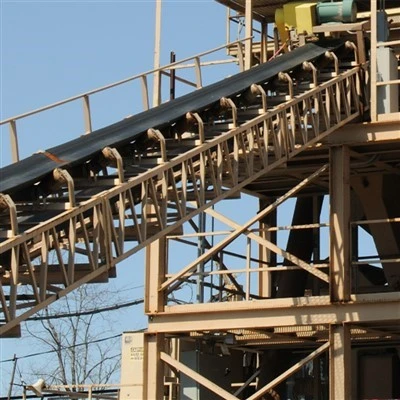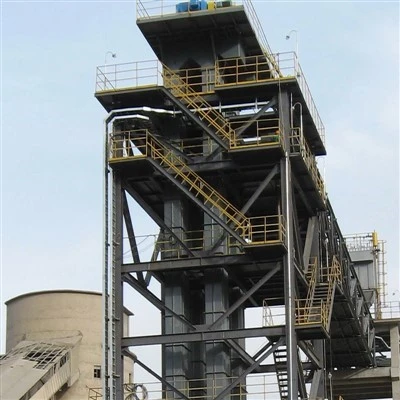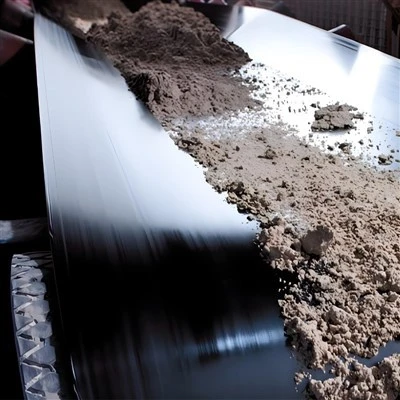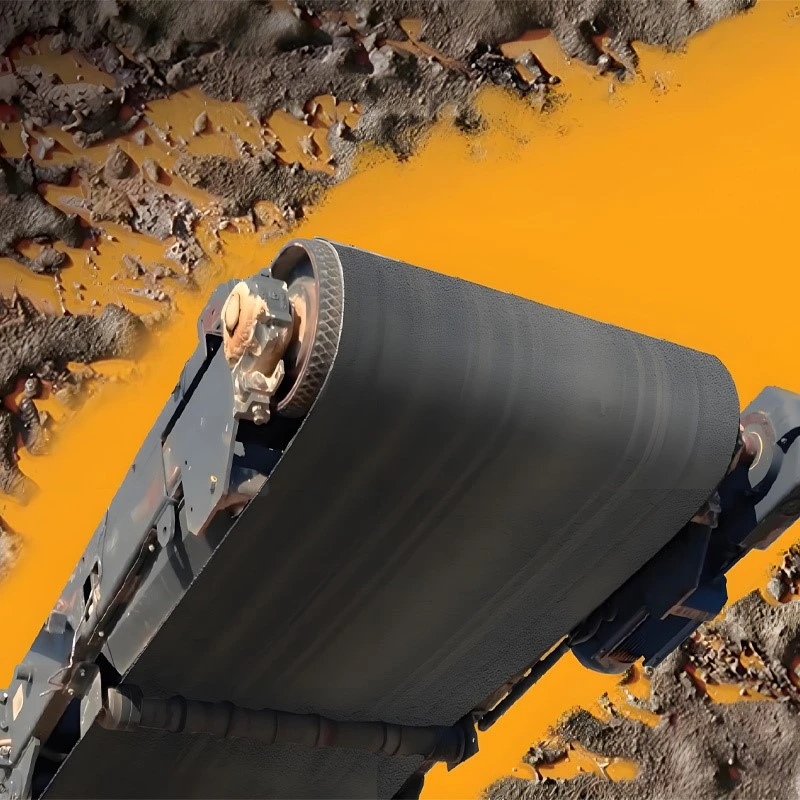
Self Cleaning Conveyor Belt is a specialized industrial conveyor belt designed to automatically remove residual material from its surface during operation. By leveraging the unique chemical composition of its low-surface-energy cover rubber and/or a specially designed, non-damaging mechanical cleaning system, it addresses industry-wide challenges such as material buildup on the belt surface, dust recirculation, and material carryover during transport. It is widely used in applications involving the conveyance of powders, granules, and wet or sticky materials across industries such as mining, cement and building materials, port bulk cargo, chemicals, food processing, and agriculture.


The issue of material "carryover" faced by traditional conveyor belts is not only a source of dust pollution for production lines and surrounding areas but can also lead to material buildup on idlers and drums, causing abnormal belt deviation and excessive wear, which in turn creates long-term operational and maintenance burdens. In recent years, the trend toward deeply integrating intelligent monitoring technology with self-cleaning systems has been accelerating. By using sensors to detect the extent of material buildup on the belt in real time and adaptively controlling cleaning parameters, these systems ensure effective cleaning while minimizing mechanical wear to the greatest extent possible.
Conticlean from Contitech of Continental, with unique rubber formulation, this self cleaning conveyor belt significantly reduces issues such as material carryover and spillage when transporting materials - such as coal and ore with high moisture content - that tend to stick to the belt's cover. This keeps the worksite clean and orderly, prevents the conveyor from drifting off course, and extends the belt's service life.

We offer a wide range of self cleaning conveyor belt, including steel-cord conveyor belts, layered fabric-cord conveyor belts, tubular conveyor belts, and patterned sidewall conveyor belts.
|
Industries |
Typical Materials Handled and On-Site Challenges |
Core Technology for Anti-Adhesive Self Clean |
Customer Value |
|
Mining (coal, iron, copper, gold, etc.) |
Wet coal/coal slurry/iron concentrate/copper concentrate |
EPDM/NR Blended Long-Lasting Anti-Sticking Covering Compound |
Reduce material buildup and associated waste caused by return-conveyor material, prevent belt misalignment and tearing |
|
Cement quarry Building Materials Plant |
Limestone powder/slag powder/wet clay/dried recycled material |
Cleaning of Ultra-High Molecular Weight Polyethylene-Coated Rubber Scrapers |
Ensure the feeding accuracy of the bucket elevator station and the batching station, as well as the stability of the mixing ratios, to prevent wet, sticky soil from clogging the hoppers during the rainy season. |
|
Ports, terminals, and thermal power plants |
Wet coal/coal return/mixed coal types at power plants |
Cleaning using a spray system and weather-resistant rubber squeegees |
Comply with the strictest environmental protection and explosion-proof regulations to minimize coal spillage and dust dispersion along the conveyor bridge from the grab terminal and material transfer station sections |
|
Tunnel and Water Conservancy Sand, Gravel, and Concrete Batching Plants |
High-moisture graded crushed stone, sand, and concrete aggregates during the rainy season |
Coated with a wear-resistant ultra-high molecular weight polyester anti-adhesive layer; fully sealed recirculating feed system |
Improve the stability of sand and gravel moisture content corrections, reduce material waste, and ensure accurate weighing of raw materials for high-strength concrete |
|
Chemicals and Fertilizers |
Fertilizer raw materials/phosphate-potassium compound fertilizers/sulfate minerals |
Preferred acid- and alkali-resistant grease-resistant cover rubber, PTFE (polytetrafluoroethylene) anti-adhesive base layer |
Designed to address issues such as clumping and sticking to walls caused by moisture in fertilizer storage silos, as well as dust from fine powders like ammonium sulfite, this system significantly reduces corrosion and extends the service life of the conveyor belt. |
|
The optimal configuration of the cleaning system, combined with advanced anti-adhesion technology, significantly reduces friction and physical damage between the cleaner and the belt surface, thereby extending the service life of both the conveyor belt and the entire machine. |
|||
FAQ
Hot Tags: mining self cleaning conveyor belt, China mining self cleaning conveyor belt manufacturers, suppliers, factory