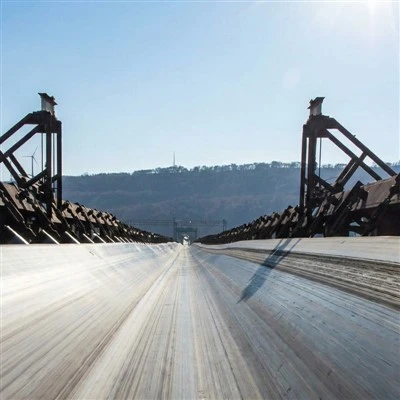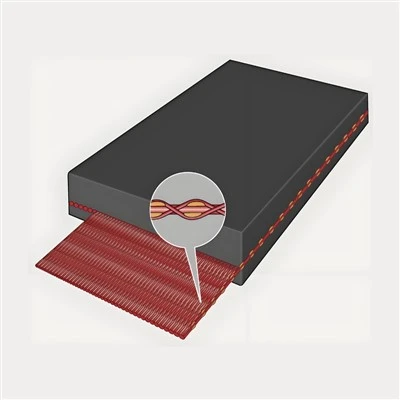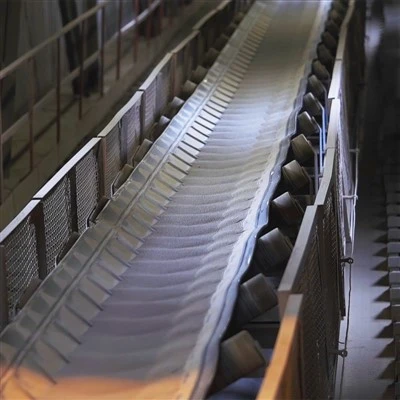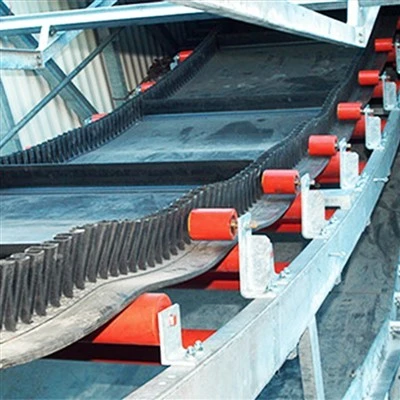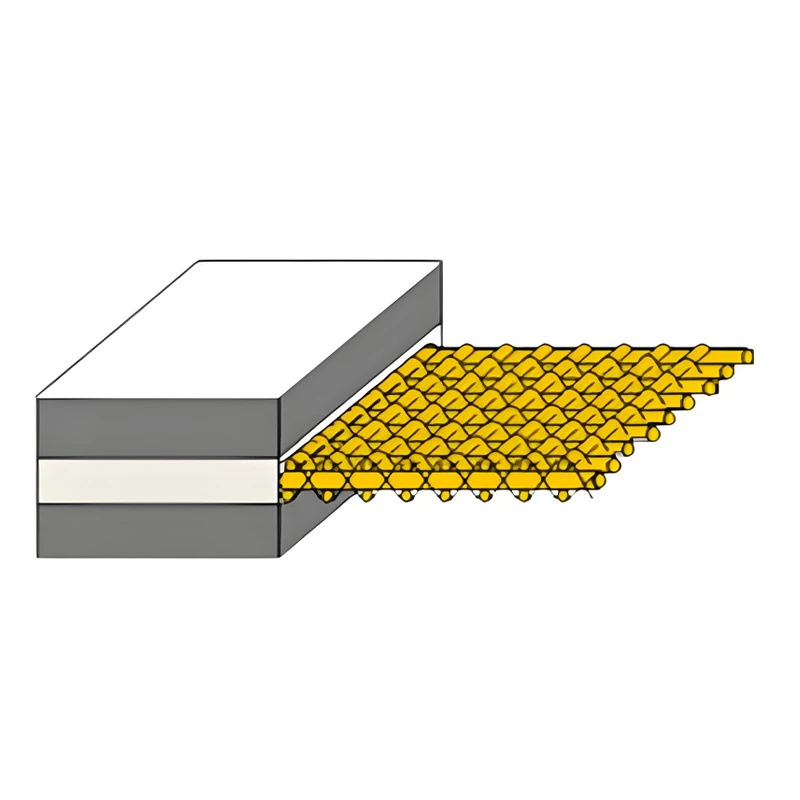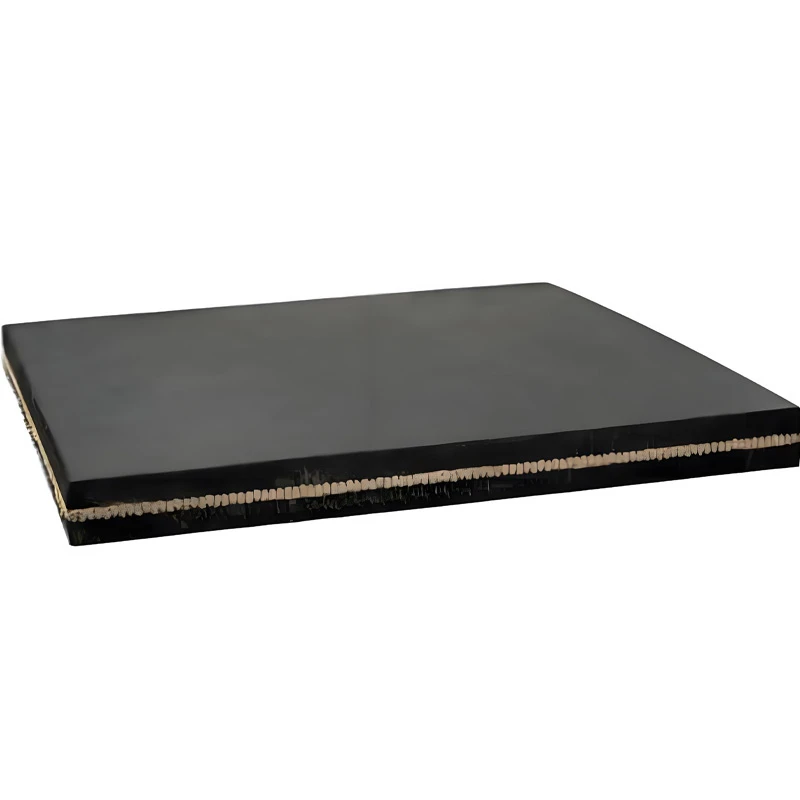
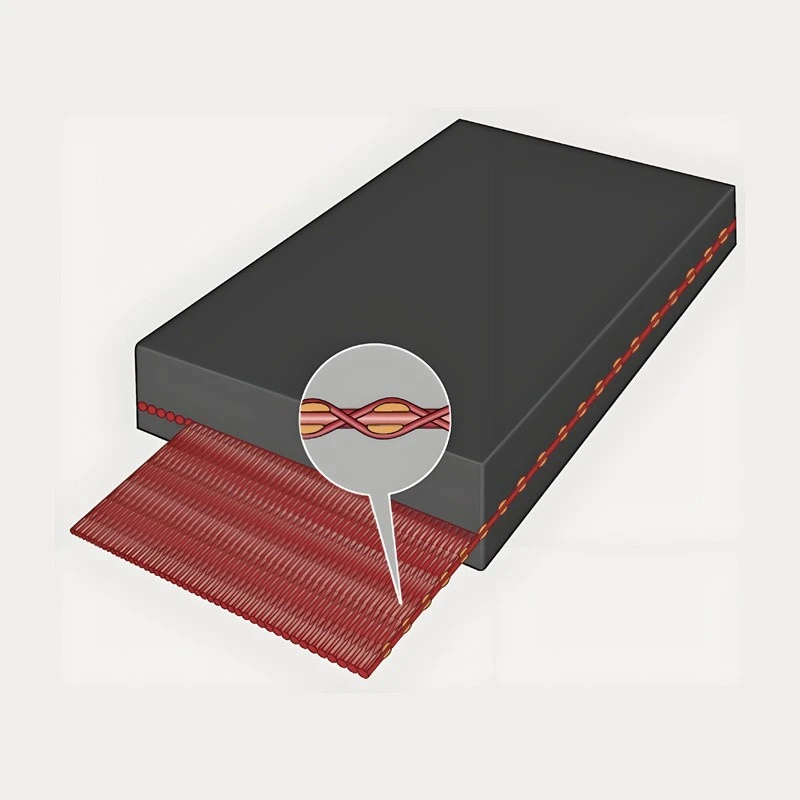
Aramid conveyor belts represent a new generation of industrial conveying equipment that has achieved significant technological breakthroughs in recent years in terms of high strength, lightweight design, energy efficiency, environmental friendliness, and long service life. Compared to traditional steel-cord conveyor belts, aramid conveyor belts can reduce self-weight by 30% to 60% while maintaining equivalent strength, and decrease operational power consumption by 40% to 50%. They are particularly suitable for bulk material conveying applications involving ultra-long distances, high throughput, and complex operating conditions in sectors such as coal mines, metal mines, and port terminals.
Traditional steel cord conveyor belts have an average service life of approximately five years in underground coal mines, whereas energy saving aramid conveyor belts come with an official guarantee of nine years of service. The longer service life of these conveyor belts reduces fixed capital costs, cuts maintenance requirements by 37%, and significantly shortens the payback period for system retrofitting and upgrade projects.
In industries such as mining, ports, cement, and power generation, the application of aramid conveyor belts has expanded beyond the coal sector to include the transport of hard materials such as iron ore. Our over 200 kilometer aramid conveyor belt has already transported over 550 million tons of material, while achieving system energy savings of more than 10%. Additionally, high-temperature-resistant belt products have extended service life to 2.5 times that of conventional products in the transport of high-temperature materials within the steel and cement industries.

|
Technical Parameters |
Application Features |
|
Tensile Strength |
DPP1000, DPP1600, DPP2000, DPP2500, DPP3150, DPP4000, DPP 4500 |
|
Longitudinal elongation at break |
15%~18% |
|
Rubber Cover thickness |
Top 6-25mm, bottom 3-15mm |
|
Cover standard |
ISO, DIN, GB, MT914, BS3289, and HG2805 |
|
Flame Retardancy |
Drum friction test: Drum surface temperature ≤ 325°C, with no signs of combustion Alcohol lamp combustion test: Average time ≤ 3.0 s; individual test results ≤ 10.0 s |
|
Electrical Conductivity |
Surface resistance ≤ 1 × 10⁸ Ω |
|
The angle of inclination |
The maximum angle of inclination is 30° to 45°, which is superior to the ≤25° limit of steel-cord conveyor belts. |
|
● Strength Grade: Select from the DPP1000 to DPP4000 series (or higher) based on actual conveying distance and material volume requirements to ensure a safety factor of 10 or higher. ● Cover Rubber Type: Select based on material abrasiveness (abrasion rate ≤ 200 mm³), temperature (ambient/200°C resistance/cryogenic resistance), corrosion resistance, and flame-retardant safety requirements. |
|

Selecting a product that combines high quality, reliability, and advanced technology will directly translate into improved overall project efficiency and continuous optimization of total costs.
High technology aramid fabric-cored conveyor belts, with their unparalleled material advantages, systematic energy-saving and consumption-reduction applications, and intelligent lifecycle management, have already redefined - and will continue to redefine - the standards for safety, efficiency, and low-carbon operations in primary mining transportation systems. The current industrial upgrade is shifting from being "experience-driven" to "technology-driven". The widespread adoption of High technology aramid conveyor belts represents not merely a simple upgrade of traditional facilities, but a landmark step for the entire material handling industry toward higher quality, greater efficiency, and greater intelligence.
FAQ
Hot Tags: energy saving aramid conveyor belt, China energy saving aramid conveyor belt manufacturers, suppliers, factory, aramid conveyor belt, Aramid Conveyor Belt For Mining, Energy Saving Aramid Conveyor Belt, High Tech Aramid Conveyor Belt