Reliable Conveying Solutions Designed for High-Temperature Applications
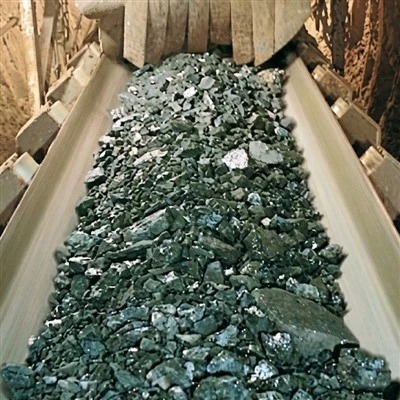
In industries such as cement production, steelmaking, and coal power generation, the conveyance of high-temperature materials has long been a major challenge. Traditional conveyor belts often age rapidly, crack, and delaminate in sustained high-temperature environments, not only drastically shortening their service life but also potentially causing complete production shutdowns due to sudden failures. Heat resistant steel cord conveyor belts are specialized products specifically designed to address this critical issue.
Product Overview: Designed for High-Temperature, Heavy-Duty Applications
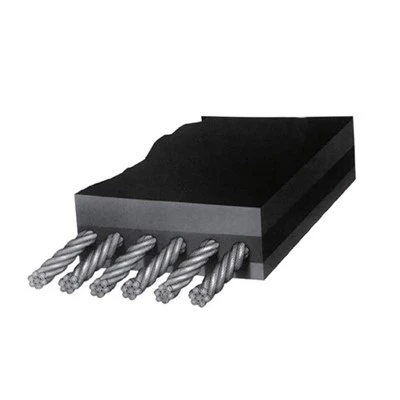
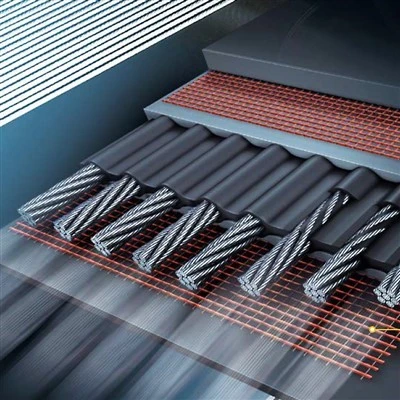
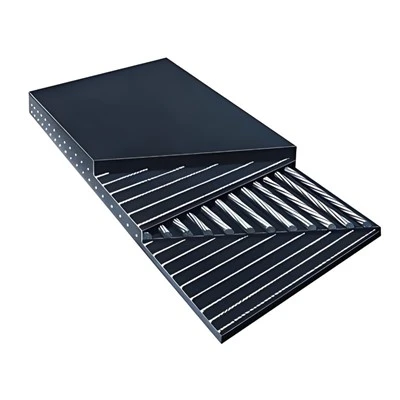
Heat-resistant steel-cord conveyor belts feature high-strength galvanized steel cords as their longitudinal reinforcement. They are manufactured using a specially formulated heat-resistant cover and core rubber, which are molded and vulcanized. The core design philosophy is to maintain excellent physical and mechanical properties even in high-temperature environments, ensuring the long-term stable operation of the conveying system.
Key Technical Specifications
|
Parameters |
Value/Range |
|
Tensile strength |
ST 800~ST10000 N/mm |
|
Belt Width |
W 500~3200 mm |
|
Temperature rating |
T1(≤100℃), T2(≤125℃), T3(≤150℃), T4(≤175℃) or above |
|
Steel cord Structure |
7×7 / 7×19 Hot-dip galvanized, open-type |
|
Elongation |
0.22% - 0.28%, <0.3% |
|
Available types of rubber cover |
Heat resistant, wear resistant, flame retardant, etc. |
|
Specially formulated products can meet short term conveying requirements at temperatures of 250°C -300°C or higher. |
|
Core Features: Four Major Technical Advantages
1. Exceptional Heat Resistance and Delayed Aging
The core competitive advantage of heat-resistant steel-cord conveyor belts lies in the special design of their cover compound formulation:
Heat Resistant Cover Compound
Utilizes heat-resistant base materials such as ethylene propylene diene monomer (EPDM) or butyl rubber, enabling long-term stable operation in environments with sustained temperatures of 120°C and instantaneous peaks of 150°C.
Anti-aging Formulation
Incorporates special anti-aging agents to effectively inhibit rubber hardening and cracking caused by high-temperature oxidation.
Optimized Bonding System
The bond strength between the core rubber and the steel cord remains stable at high temperatures, preventing the risk of delamination.
Technical Comparison
The service life of standard steel cord belts drops sharply when operating temperatures exceed 100°C, whereas heat-resistant belts can extend their service life by 2 to 4 times under the same conditions.
2. High-strength steel cord reinforcement for superior load-bearing capacity
Heat-resistant belts retain the core advantages of steel cord conveyor belts:
High tensile strength
Up to ST10000 (10,000 N/mm), easily handling long-distance, high-capacity conveying.
Low elongation
Elongation at rated tension is only 0.22%–0.28%, resulting in shorter tensioning travel and greater system stability.
Open wire rope structure
Ensures thorough penetration of the core rubber, providing a strong bond and long-term corrosion protection.

3. Excellent Impact Resistance and Wear Resistance
High-temperature materials often possess both high temperature and high hardness, posing a dual challenge to conveyor belts:
● High impact resistance: The composite structure of the steel cord skeleton and heat-resistant cover rubber effectively cushions the impact of large-sized materials.
● Selectable wear resistance grades: Can simultaneously meet high wear resistance requirements such as Grade W (wear volume ≤ 90 mm³) and Grade X (wear volume ≤ 120 mm³).
4. Optional Flame-Retardant Function for Enhanced Safety
For high-temperature applications with fire risks, flame-retardant features can be configured:
● Class K Flame Retardancy: Complies with ISO 340 standards; self-extinguishing after the flame is removed.
● Suitable for high-temperature conveying environments with open-flame risks, such as metallurgy and building materials.

Applications in Three Core Industries and Solutions to Pain Points
Typical Materials: Cement clinker (kiln exit temperature 150–300°C), limestone, vertical mill discharge, and slag.
Industry Challenges:
● High-temperature clinker directly impacts the conveyor belt, causing the cover rubber to crack and harden rapidly.
● Traditional elevators use chain drives, resulting in high energy consumption, extensive maintenance, and poor on-site working conditions.
● Vertical conveying equipment demands higher heat resistance from conveyor belts; standard belts are often inadequate.
Case Study: After a cement plant converted its chain conveyor into a heat-resistant steel-cord belt conveyor, it not only resolved issues with material overflow and dust leakage at the tail end but also achieved significant energy savings. The equipment now operates smoothly, and maintenance requirements have been significantly reduced.
Typical Materials: Sintered ore, pelletized ore, coke, hot steel billets, foundry sand, slag (temperatures can exceed 300°C).
Industry Challenges:
● Material temperatures are extremely high, with some process stages exceeding 300°C, placing extreme demands on the heat resistance of conveyor belts.
● Open flames are present in the steel production process, making ordinary rubber belts prone to ignition. Materials are not only high-temperature but also highly abrasive.
● Conveyor belts for hot materials in steel mills must withstand temperatures exceeding 300°C.
|
Application Scenarios |
Product Solutions |
Performance Benefits |
|
Sinter Conveying |
High-temperature heat-resistant belt (temperature resistance: 200–300°C) + flame-retardant configuration |
Prevents high-temperature sinter from eroding the belt surface and eliminates fire hazards |
|
Hot Billet Conveying |
Special heat-resistant cover rubber + high-strength steel cord reinforcement (tensile strength: 4000–6300 N/mm²) |
Withstands direct contact with hot billets at temperatures exceeding 300°C |
|
Coke/Slag Conveying |
Heat-resistant + high-abrasion-resistant composite |
Effectively addresses the dual challenges of high temperature and high abrasion |
|
Industry Case: They feature a steel cord carcass combined with a special heat resistant rubber compound to ensure reliable operation and a longer service life under extreme conditions. |
||
Typical Materials: Coal, Coal Ash, Fly Ash, Desulfurization Gypsum.
Industry Challenges:
● Boiler bottom ash reaches high temperatures (up to 300–500°C), causing severe thermal shock to the conveyor belts.
● Power plant coal handling systems must operate continuously 24 hours a day, placing extremely high demands on conveyor belt reliability.
● Coal ash exhibits both high-temperature and abrasive properties, causing ordinary conveyor belts to wear out extremely quickly.
|
Application Scenarios |
Product Solutions |
Performance Benefits |
|
Coal Conveying Systems |
T1/T2 Grade Heat-Resistant Type (≤100–125°C) |
Designed to withstand high summer temperatures in conveyor galleries and the self-heating of coal flow |
|
Boiler Bottom Ash Conveyance High-Temperature |
Heat-Resistant Belts (200°C and above) + Steel Cord Reinforcement |
Withstands direct conveyance of high-temperature furnace slag, preventing burn-through incidents |
|
Ash Removal System |
Heat-Resistant + Wear-Resistant Composite |
Extends the service life of ash and slag conveyance lines |
|
Industry Case: A power plant replaced its entire existing canvas coal conveyor belt with a steel-cord conveyor belt (containing 112 steel wires, each 6 mm in diameter). The 225-meter-long, 12.4-ton belt was replaced in a single operation, ensuring a stable power supply during the peak summer demand period. |
||
IV. Product Advantages for Special Applications
High-Temperature Vertical Conveying (Bucket Elevators)
Special Challenges: During vertical conveying, the belt must withstand the triple load of material gravity, operating tension, and high temperatures; the joint area is particularly vulnerable.
Technical Advantages:
● Special Joint Technology: Utilizes alloy belt clamps and specialized adhesive locking, ensuring joint strength matches that of the belt body.
● Heat-Resistant Type II Specialized Conveyor Belt: Continuous material temperature ≤120°C, with short-term exposure up to 150°C.
● Tear-Resistant Design: Special arrangement of steel cord strands prevents breakage during bucket installation.
Ultra-High-Temperature Material Conveyance (200–500°C)
Special Challenges: In certain metallurgical and building materials processing stages, material temperatures are extremely high, making it difficult for conventional heat-resistant belts to withstand the conditions.
Technical Advantages:
● Phase-Change High-Temperature Resistance Technology: Achieves temperature resistance of 250–500°C through a specially formulated design.
● Multi-Layer Thermal Insulation Structure: A composite design combining the working surface rubber, thermal insulation layer, and reinforcement layer delays heat transfer to the steel cord.
● Extended Service Life: Under ultra-high-temperature conditions, service life can reach 2–4 times that of standard heat-resistant belts.
Dual Requirements: High Temperature + Flame Retardancy
Special Challenges: In industries such as metallurgy and coking, high-temperature materials may be accompanied by open flames, requiring conveyor belts to possess both heat resistance and flame retardancy.
Technical Advantages:
● High-Temperature Flame-Retardant Formulation: Meets both ISO 340 flame-retardant standards and heat resistance requirements.
● Self-Extinguishing Properties: Flames automatically extinguish upon removal of the open flame, preventing fire spread.
● Applications: High-risk areas such as coke conveying and sintered ore conveying.
Hot Tags: heat resistant steel cord conveyor belt, China heat resistant steel cord conveyor belt manufacturers, suppliers, factory